Our Webinar on Power Abuse that took place in early June generated a lot of interest and its reception and attendance highlight the relevance of the topic for doctoral researchers. Many of the participants had questions for the speakers and, due to time constraints, not all of them could be answered during the Zoom session. Anne-Kathrin Stroppe from our Working Group ‘Prevention of Power Abuse’ compiled the remaining questions and we are very lucky that Prof. Thomas Rigotti from the Leibniz Institute for Resilience Research, together with his team members Miriam Arnold and Miriam Schilbach, took the time to write out the following responses.
(more…)Author: Leibniz PhD Network
International researchers and female doctoral researchers need more support and integration at their institute (part II)
In our previous article we have introduced cultural diversity and some of the challenges faced by international doctoral researchers in Germany and within Leibniz. Among the challenges faced by doctoral researchers that were detected by the Leibniz survey, the most important categories were language barriers, especially at work, and bureaucracy. Doctoral researchers in the same institute may have a very different experience according to their background and the interaction in the workplace. International researchers feel slightly less integrated than German ones (70% against 86% feel integrated).Why is it so challenging for international doctoral researchers and what kind of support is being expected?
The internationals do not receive enough formal support with bureaucratic tasks, such as finding health insurance, clarifying residence permits, or going to the registration office. They feel much less supported in finding childcare, finding a medical doctor who speaks a language in which they feel comfortable, or translating documents.

WG Diversity – BLACK LIVES MATTER
Dear Leibniz doctoral community,
If you are not too busy with your research or other errands, you are probably following the huge solidarity manifestation to the anti-racism cause in the past few days. Even though this movement has initially sparked in the United States, the same racism happens all over the world – yes, also in Germany.
The Leibniz PhD Network WG Diversity would like to bring something more to light rather than just reminding people that what differs us in our many skin shades is a mere pigment named melanin, and that this tiny difference has led to years of suffering and oppression that must be acknowledged.
Here you can find 12 suggestions of how to understand racism, especially towards black people all over the world, and hopefully acting against it. The following links were all elaborated by people who feel this matter in their skin every day. Let’s learn from them how to be better and how to help others.
(more…)Invitation to our online seminar on Prevention of Power Abuse
In recent times, good scientific practice, good leadership, and the prevention of power abuse have become a controversial debated topic in academia. Inherent flaws in the academic system like short-term work contracts, unclear or unrealistic expectations, and communication conflicts with colleagues, supervisors, or project partners could lead to the abuse of power.
We would like to come into conversation with you on that topic and therefore invite you to our second online seminar on the topic of “Prevention of Power Abuse – Aspects of Leadership, Uncertainty of Working Contracts and Conflict Resolution”. The online seminar will take place Thursday 4th June (this thursday!) at 10:00 am (CET) and has been organized by the working groups “Prevention of Power Abuse” and “Mental Health” of the Leibniz PhD Network.
Please register through the following link:
https://us02web.zoom.us/webinar/register/WN_iSf3w5iYRp6rQVeMzGemTA
If you are not able to attend, it is not a problem! We will upload the recorded online seminar so you can (re)watch it.
Our invited online seminar speakers are:
Prof. Claudia Peus (Technical University Munich), Topic: Leadership in Academia
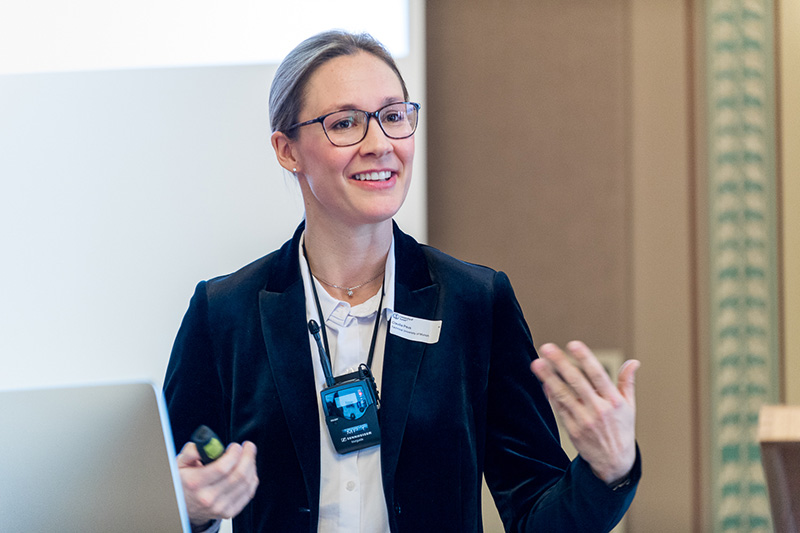
Claudia Peus has been Professor of Research and Science Management at Technische Universität München since May 2011, Senior Vice President Talent Management and Diversity since October 2017 and Vice Dean of Executive Education at the TUM School of Management since April 2014. In her research Prof. Peus focuses on effective leadership and leadership development, research and science management as well as (international) HR management.
Prof. Thomas Rigotti (Leibniz Institute for Resilience Research), Topic: Leadership and workplace insecurities
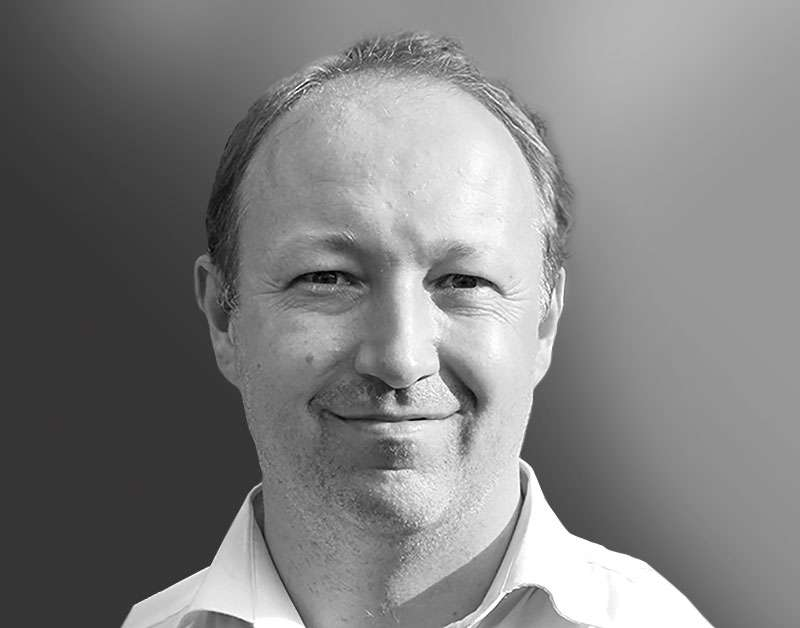
Prof. Dr. Thomas Rigotti is Professor for Organizational and Business Psychology Johannes Gutenberg-University Mainz Professor of Industrial, Organizational and Economic Psychology at the Johannes Gutenberg University Mainz and Research Group Leader at the Leibniz Institute for Resilience Research. His research includes the effects of work flexibility, health-promoting leadership, stress and resilience in the work context, and multi-tasking.
To learn more on the Leibniz PhD Network’s position on this topic, check out the N2 position paper on Power Abuse and Conflict Resolution.
We hope to see you there!
Working Groups Prevention of Power Abuse and Mental Health of the Leibniz PhD Network

N² – Shaping the future now

Plenty of ideas are in the room and after full two days of intense discussions and exchange the list of future tasks looks impressive. From July- 27th to 28th the board of N² – The Network of Networks, in which Max Planck PhDNet, Helmholtz Juniors and the Leibniz PhD Network join forces, met in Potsdam to set its future agenda. The Leibniz PhD Network was represented by our spokespersons Katarzyna Stoltmann and Jan-Lucas Schanze.
(more…)